
Friday, June 5, 2026
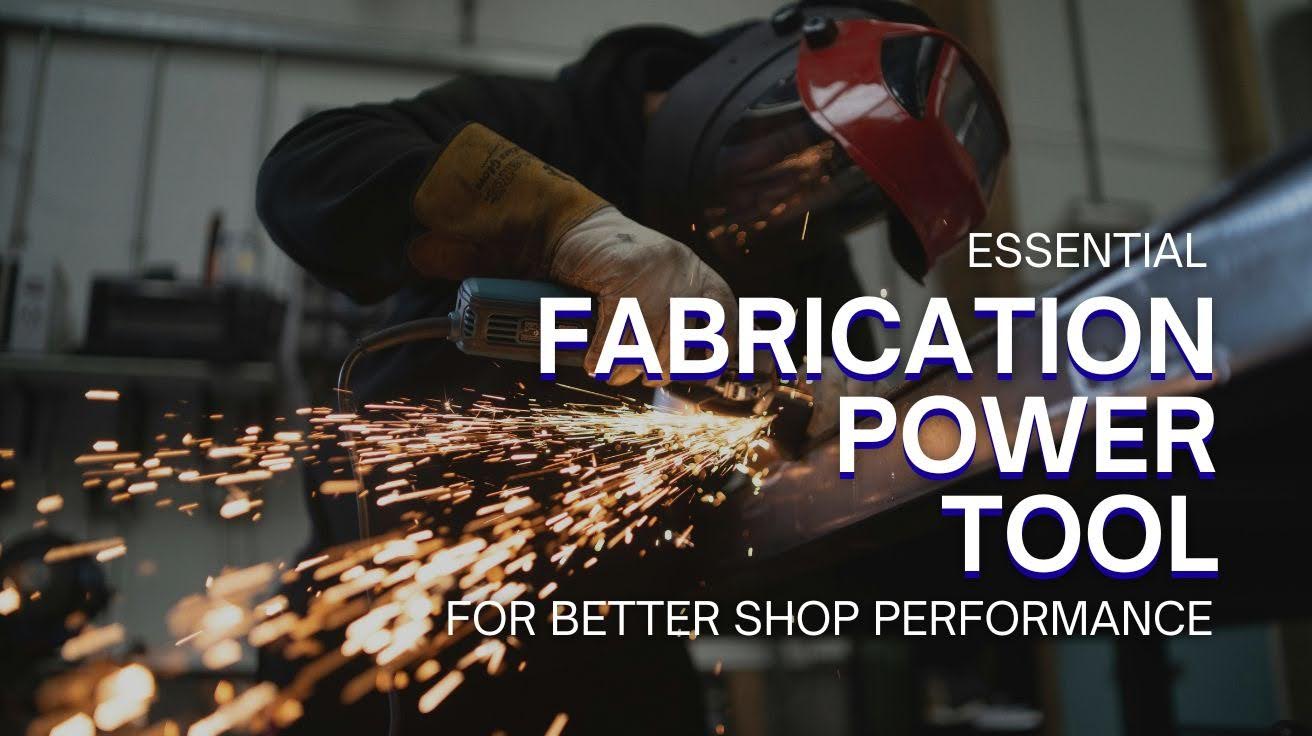
A fabrication shop runs on tools. When the tools are good, work moves faster, and problems come up less often. When the tools are bad, everything slows down. Workers make more mistakes, waste more time, and get less done by the end of the day. So getting the right fabrication power tools is one of the most important decisions a shop can make.
Fabrication work involves many steps. Each step needs a tool that can get the job done without causing problems. A tool that breaks down often, or one that is hard to hold and control, forces workers to stop and start over. That adds up to a lot of lost time over a week or a month.
Good tools let workers stay focused and move through jobs without interruption. Because of that, shops that use better tools tend to finish more work and deal with fewer delays. That is the simple reason why so many shops invest in quality tools rather than going with the cheapest option.
Some tools are used in almost every job that comes through a fabrication shop. Since these tools get picked up and put down dozens of times a day, they have the biggest effect on how much work gets done. The main ones are:
When each of these tools performs well, workers spend less time waiting and more time working.
Angle grinders and sanders are used constantly in fabrication shops. Workers reach for them when grinding welds, cleaning up edges, preparing metal surfaces, and putting the final finish on parts. Because they come out so often, having the right ones makes a big difference.
A strong angle grinder takes material off fast. That alone can cut a lot of time off heavy grinding jobs. A good sander, on the other hand, helps get a clean finish without having to go over the same area multiple times. Both of these things save real time during the workday.
Tools that are comfortable to hold and do not wear out quickly are always the better choice. Beyond that, tools that allow fast disc or accessory changes also help keep things moving on busy days.
Cordless tools have changed the way a lot of fabrication shops work. Instead of dragging cords around or hunting for the nearest outlet, workers can just pick up the tool and go. Makita cordless tools are used in many shops because of what they offer on a daily basis:
These things might seem small, but over a full day of work, they add up. Less hassle means more time spent on actual work.
Buying good tools is one part of the picture. Knowing where to buy them is the other part. A supplier who knows the industry can point shops toward tools that fit the kind of work they actually do. That saves time and prevents bad purchases.
A trusted fabrication supply distributor also tends to carry reliable brands, offer helpful advice, and provide support after the sale. This matters because a shop that buys the wrong tool ends up spending more money in the long run. Getting it right the first time is always better.
Maxwell Products works with industrial customers and understands what fabrication shops need. Their focus is on providing tools and solutions that actually work in real shop conditions. For businesses that depend on daily productivity, that kind of supplier relationship makes a real difference.
Not all tools perform the same, even if they look similar on a shelf. Before spending money, it helps to check a few key things. How well does it perform under regular use? How long is it likely to last? Is it comfortable enough to use for hours at a time?
For cordless tools, battery life is especially important. A tool that runs out of power halfway through a job is more of a problem than a help. Tool weight also matters, since heavy tools tire out workers faster. Speed control and accessory compatibility are also worth checking before making a decision.
Makita tools come up often in fabrication shops because they are easy to carry around and perform well across a wide range of tasks. Shops that need tools to hold up every day find them to be a dependable option.
Every shop is a little different. Some do a lot of heavy grinding. Others focus mostly on cutting, sanding, or surface work. Because of that, the best tool for one shop may not be the best tool for another.
Before buying, think about what tasks come up most often, how long the tools need to last, how easy they are for workers to use, and whether they offer good value for what they cost. The goal is to find tools that fit the work and keep things running smoothly.
Maxwell Products helps industrial customers find the right shop solutions for fabrication work. Picking the right fabrication power tools leads to better daily output, fewer delays, and a smoother overall workflow.
The answer depends a bit on the type of work the shop does. However, angle grinders, sanders, cordless drills, cut-off tools, and surface preparation tools are the ones used most often in fabrication settings. These tools help workers get through tasks faster and with better control. When tools are reliable and easy to use, shops face less downtime and finish more work throughout the day.
Makita cordless tools give workers the freedom to move around the shop without needing to stay close to a power source. This cuts down on setup time and makes it easier to work in different parts of the shop. Workers also spend less time untangling or repositioning cords, which means more of their time goes toward actual work. Over a full day, that adds up to a noticeable improvement in how much gets done.
A good supplier brings more to the table than just products. They can help a shop figure out which tools are the right fit for the work being done, and they can offer support after the sale as well. Trusted suppliers also tend to carry brands that hold up over time. This helps shops avoid spending money on tools that fail early or do not perform as expected.
The ones that save the most time are the ones built for heavy daily use. An angle grinder that removes material fast reduces the time spent on grinding jobs. A sander that produces a clean finish on the first pass means workers do not have to go back and redo the same area. Tools that are comfortable to use and built to last also reduce interruptions, which keeps the whole workday moving at a better pace.
Shops should think about how well the tool performs, how long it is likely to last, and how comfortable it is for the worker using it. For cordless tools, battery life is a big factor, especially in shops where tools are in use most of the day. It also helps to check whether the tool works with different accessories, since that adds flexibility. Most importantly, the tool should match the type of work the shop does on a regular basis.